Cinema Seminar:
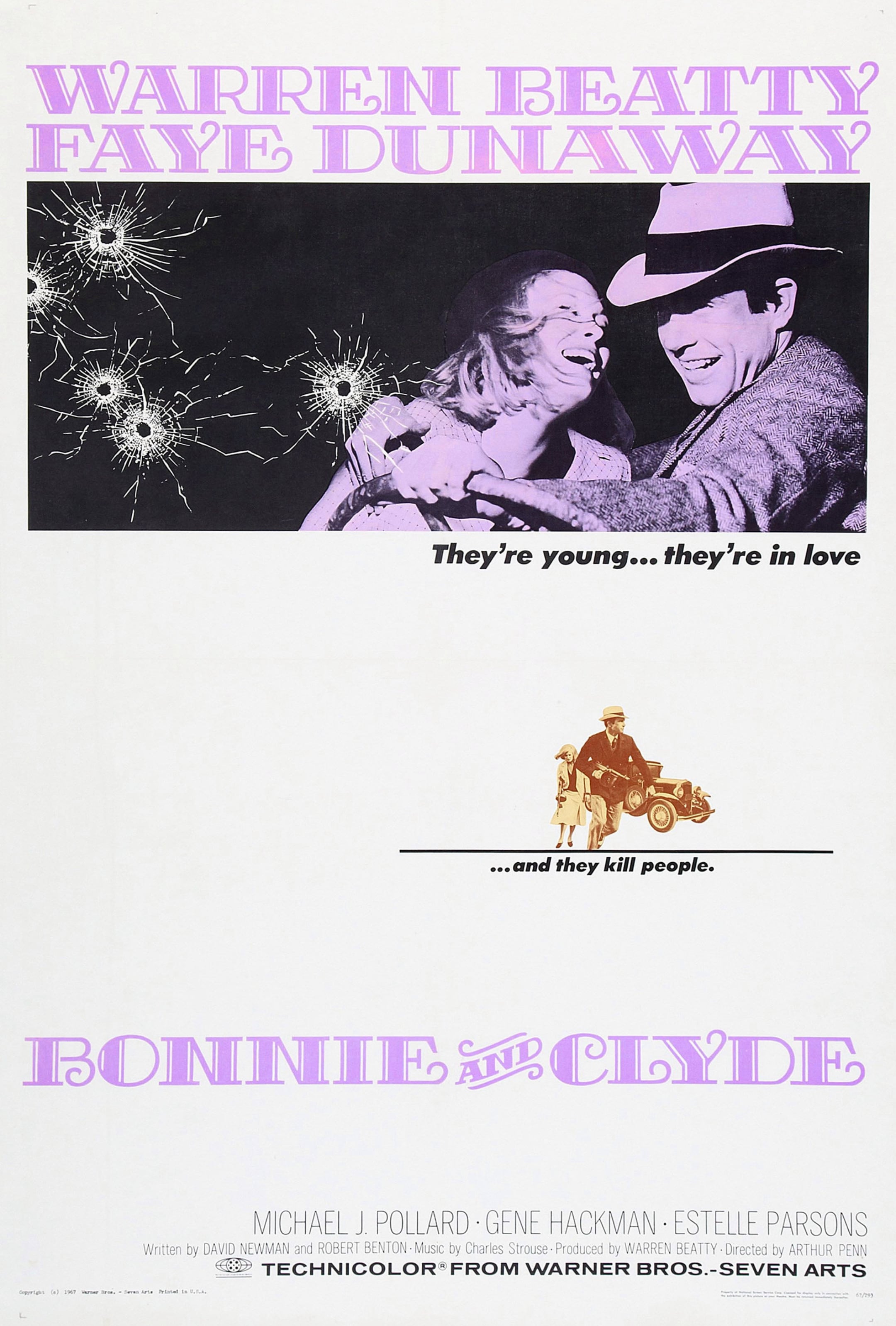
Bonnie and Clyde

Please note: Online registration for tonight's seminar has ended, but spots remain available. You may register at the box office.
The odds were stacked against Bonnie and Clyde (1967) almost as high as they were against the real-life outlaws who inspired the movie at the moment of their demise. Its star—dismissed as a pretty boy and coming off a string of flops—was making his first foray into producing. Its director had also had a run of misses—the last of which starred his producer/leading man—and was far from the first choice for the job. It was also the first screenplay from a couple of Esquire writers, and the studio planned to dump it at some regional drive-ins and forget about it.
Yet, Bonnie and Clyde (1967) would end up ushering in the New Hollywood era, a period of about a dozen years during which some of the most brilliant and memorable American films (e.g., Chinatown, The Conversation, Taxi Driver) were released, and some of the art form’s most influential filmmakers—Altman, Friedkin, Spielberg—made their names. So seismic was the movie’s arrival that it accelerated the departure of the legendary mogul that tried to kill it, ended the career of a famous critic that bashed it, and helped bring about the ratings system that’s governed the industry for nearly 60 years.
Join us to learn more about the film that resurrected the gangster genre, brought the techniques of the French New Wave into the mainstream of Hollywood, and was called “a milestone in the history of American movies, a work of truth and brilliance” by Roger Ebert, the only newspaper critic to give it a rave review on opening day.